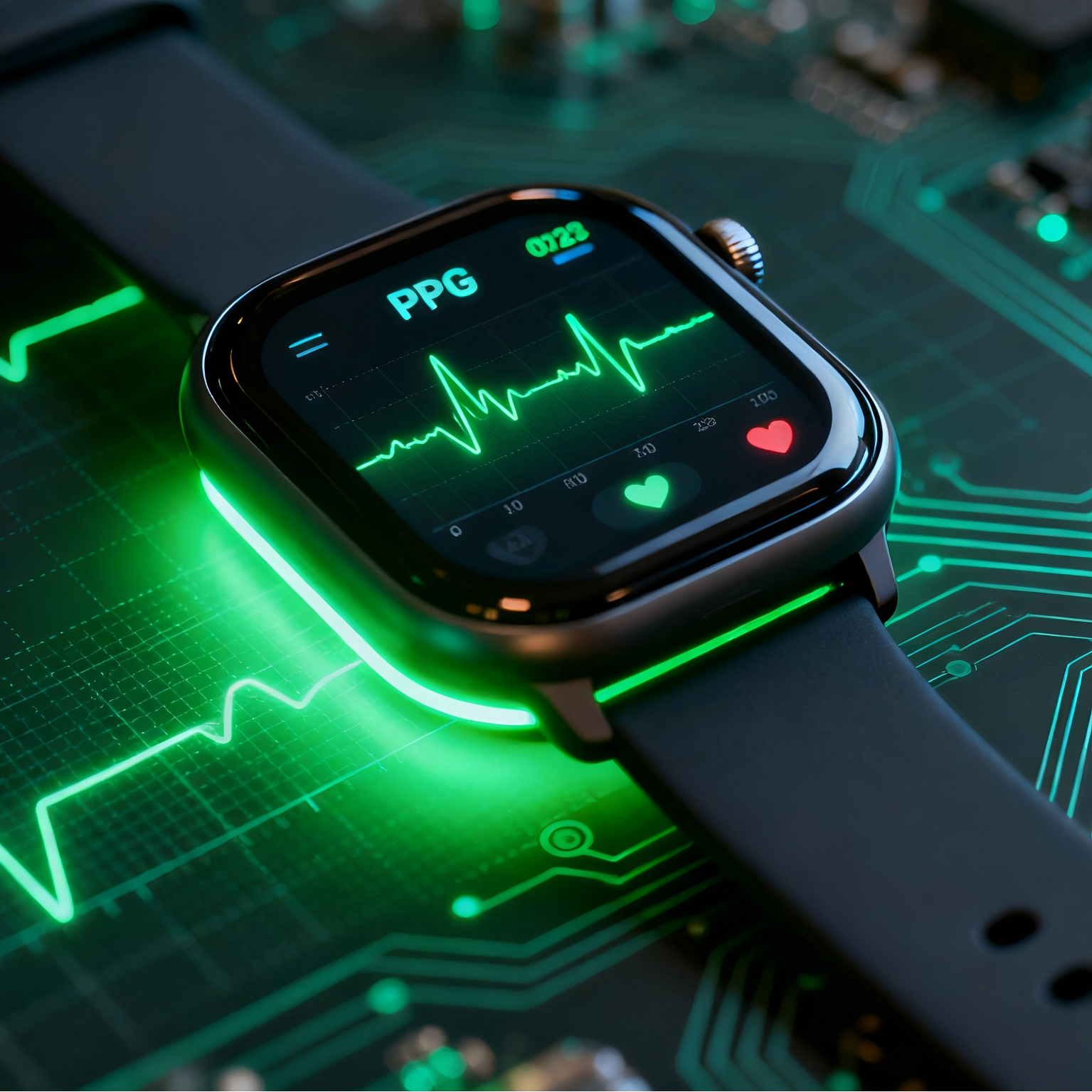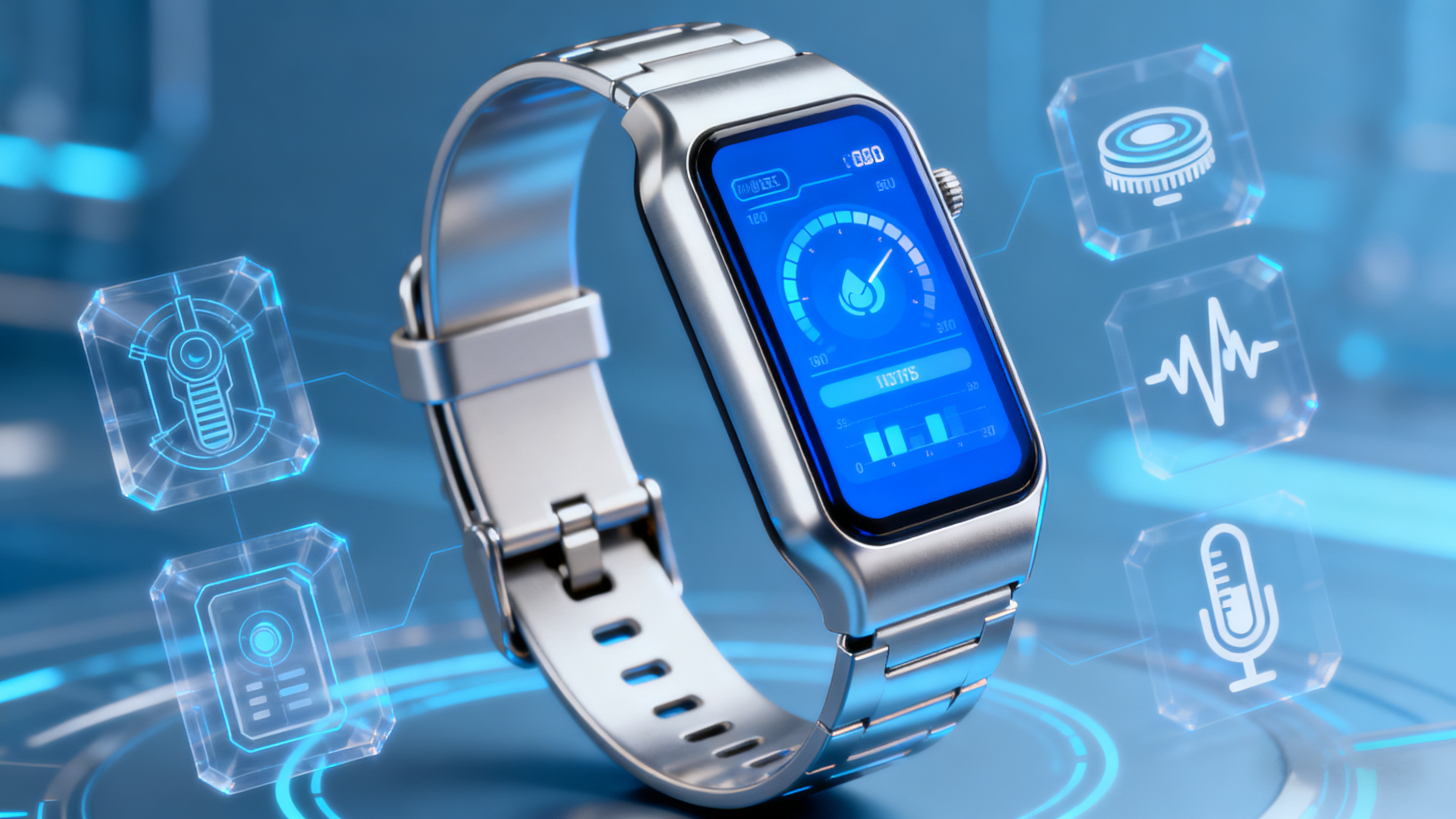

This article expounds the core functions of smartwatches and the technical principles of heart rate monitoring, focusing on the analysis of the green LED photoelectric detection technology based on PPG (the conversion process of light → electricity → digital signal) and the ECG-assisted monitoring method. It discusses the application value and limitations of smartwatches in health management, and emphasizes the role of smartwatches as a daily health reference tool.
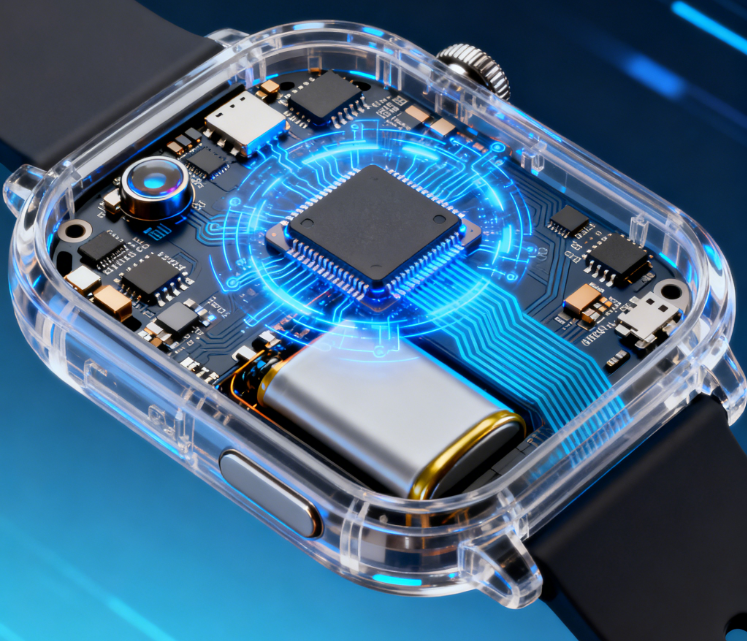
This article elaborates on the working principle and internal structure of smartwatches, a popular consumer electronic product renowned for its versatile functions such as health tracking, exercise recording and daily reminders. Different from traditional watches with limited functions, smartwatches operate as an integrated hardware and software system. The hardware is composed of core components including ARM architecture main chips, LCD/OLED displays, lithium-ion or lithium polymer batteries, various sensors (accelerometers, gyroscopes, heart rate sensors), connectivity modules (Bluetooth, Wi-Fi, NFC) and supporting parts like speakers and microphones. On the software side, it relies on dedicated operating systems (Wear OS, watchOS) and functional applications to realize data synchronization, user interaction and service execution. The working process of smartwatches follows a clear logic: built-in sensors collect real-time user motion and physiological data, which is then processed and analyzed by the main chip with the support of algorithms. The processed information is presented to users via the display screen, and data transmission between smartwatches and smartphones is achieved through wireless communication technologies. In terms of internal structure, smartwatches consist of functional units including data acquisition, processing, display, transmission and power supply, with the battery unit equipped with protection circuit boards and charge management chips to ensure safe and stable use. For smartwatch components, the key requirements are low power consumption, stability, compact size, safety and energy efficiency to meet the needs of wearable device applications. With continuous technological progress, the functions of smartwatches will be further enriched and refined, bringing users a smarter and more convenient experience.
Prior to the advent of smartwatches, early smartbands featured extremely simplified designs, lacking screens and relying on mobile app connections for data viewing, with their market expanding significantly between 2015 and 2018. As an extension of smartbands, smartwatches fall into the same wearable category, boasting larger screens and richer functions but with shorter battery life compared to smartbands. Given their technological relevance, the sensor technologies applied in smartbands also cover those of smartwatches. This paper briefly introduces several common and emerging sensor technologies in modern smart wearables. An accelerometer is used for step counting by detecting acceleration and converting it into electrical signals, combined with technologies like Hall effect, GMR and TMR. Heart rate monitoring mainly adopts two types of sensors: the optical heart rate sensor, which emits green LED light to measure light absorption fluctuations in blood vessels, and the bioelectrical impedance sensor, which leverages human body impedance to collect multi-dimensional data for higher detection accuracy. Sleep monitoring has three approaches, ranging from basic accelerometer-based motion detection, to a more accurate method combining heart rate sensors for PPG and HRV detection, and the high-precision CPC analysis that integrates ECG and respiratory coupling relationships (typically used in high-end products). SpO₂ monitoring shares a similar optical principle with heart rate detection but uses infrared light and only provides reference values due to interference factors. Additionally, ambient light sensors enable automatic screen brightness adjustment; accelerometers and gyroscopes work together to realize the wrist-raise wake screen function with the support of complex algorithms; GPS sensors enable independent positioning and activity route recording in professional sports watches; temperature sensors achieve single or continuous body temperature monitoring. For blood pressure and blood glucose monitoring, most mainstream smart wearables rely on optical sensors and algorithms for estimations, while blood pressure monitoring watches adopting the oscillometric measurement principle with built-in micro airbags can provide more reliable reference data.
In response to the theme of the 6th "Zhejiang Chamber of Commerce Week", "Chamber of Commerce, Making Enterprises Stronger", to enhance the communication and interaction between the Member Rights Protection Center and the chamber of commerce and uni...

The Party building of the Chamber of Commerce: The Hangzhou Cangnan Chamber of Commerce accompanied the Cangnan County Major Energy Center on an inspection and research visit to the Hangzhou Children's Hospital. On the afternoon of September 3rd, Yan...
The tripartite collaboration builds a new chapter in Party building: The Hangzhou Cangnan Chamber of Commerce went to Huzhou to carry out a joint Party building activity, working hand in hand with the Huzhou Cangnan Chamber of Commerce and the Yuhang...

On the afternoon of August 10th, the scenic city of Hangzhou witnessed the solemn holding of the re-election conference of the Zhejiang Informationization Promotion Association. A total of 72 member representatives were supposed to attend this confer...
Design and construction category · Zhonghan Design · Tianshang Design · Zhongtian Decoration Design · Zhongshi Design · Shangda Design · Muwei Design · Yigu Design · Wujing Space · Jiu Ch...

The symposium of the Cangnan County Decision-making Consultative Committee and the Cangshang Research Center was successfully held in Hangzhou to discuss development and pool strength. On July 16, 2025, a symposium of the Cangnan County Decision-...
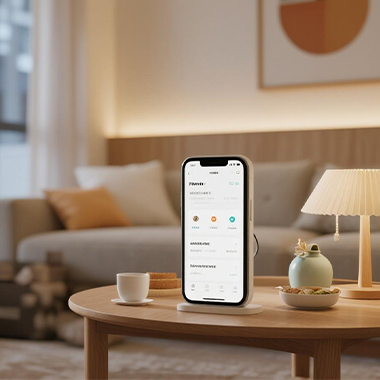
Smart home technology is no longer just a futuristic idea — it has become a practical and valuable part of everyday life for millions of households worldwide. From enhancing comfort and convenience to improving security and energy efficiency, smart devices are redefining how we live. Here are some of the most popular ways smart home solutions are used in daily life: 1. Smart Lighting Smart lighting allows homeowners to control lights remotely or automate them according to schedules or motion detection. Dimming the lights for a movie night, setting a sunrise alarm, or turning off forgotten lights via smartphone are just a few examples of how smart lighting adds convenience and helps save energy...
As smart homes become more popular, choosing the right connection protocol is essential for creating a seamless and reliable smart living experience. Two of the most common technologies powering smart devices today are Wi-Fi and Zigbee. While both enable wireless communication, they have unique features, advantages, and limitations that homeowners should understand before building a smart home ecosystem. What is Wi-Fi? Wi-Fi is the familiar wireless network used in most homes for internet access. Many smart devices, such as smart cameras, plugs, and speakers, connect directly to your home Wi-Fi router...